When the Moon Takes the Lead: My Journey to the Ocean’s “Dating Stars”
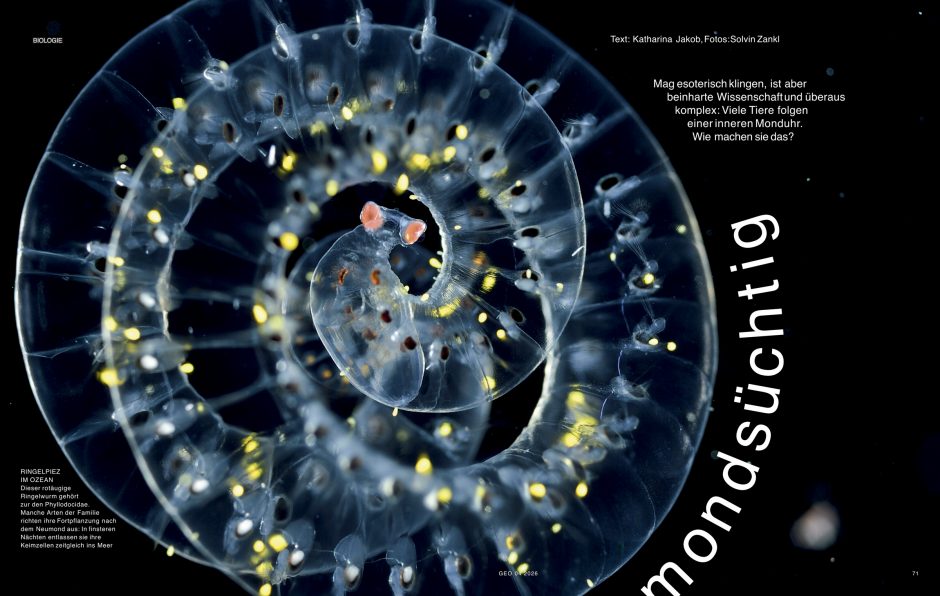
As a photographer, I’m used to waiting for the perfect light. But for my latest feature in GEO, the most important player wasn’t the sun—it was the moon. It acts as the ultimate conductor for a natural spectacle so precise and fleeting that you could easily miss it.
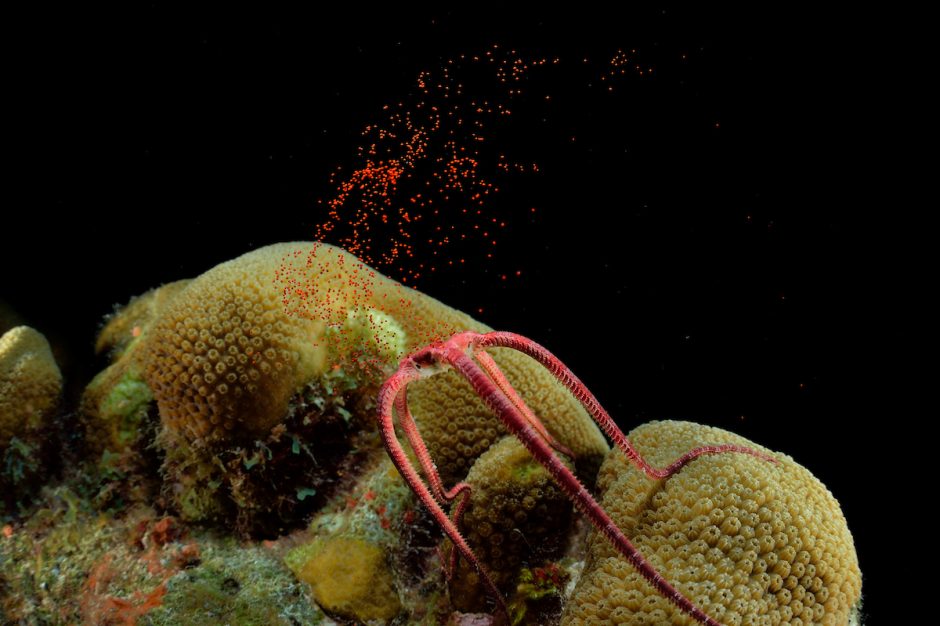
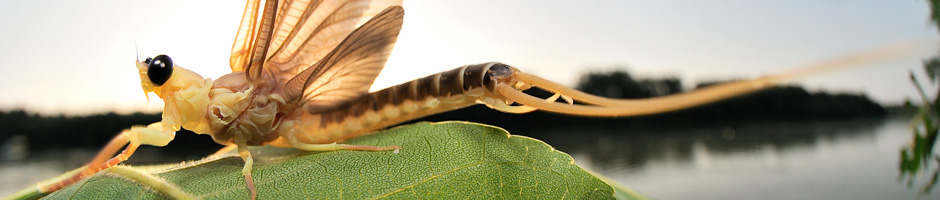
I set out to capture creatures that align their entire lives with an internal “lunar clock.” I was particularly fascinated by the marine midge Clunio marinus. These tiny beings have an incredibly narrow window of time: they hatch by the light of the moon, find a mate, reproduce, and lay their eggs—all within just a few hours before their life cycle ends.
It is a “one-night stand” of millions, emerging from the sea simultaneously as if at the push of a button. Without this perfect lunar synchronization, they would never find each other in the vastness of the ocean.
To document this story, I visited the Max Planck Institute for Evolutionary Biology in Plön. There, Tobias Kaiser’s team investigates how this genetic lunar clock actually works. It was incredible to see how different populations—from Helgoland to Brittany—react uniquely to the moonlight, each following its own local rhythm.
This project reminded me once again how deeply interconnected nature is. For these animals, the moon is much more than just a light in the night sky—it is their survival guide, their “dating tool,” and their destiny.
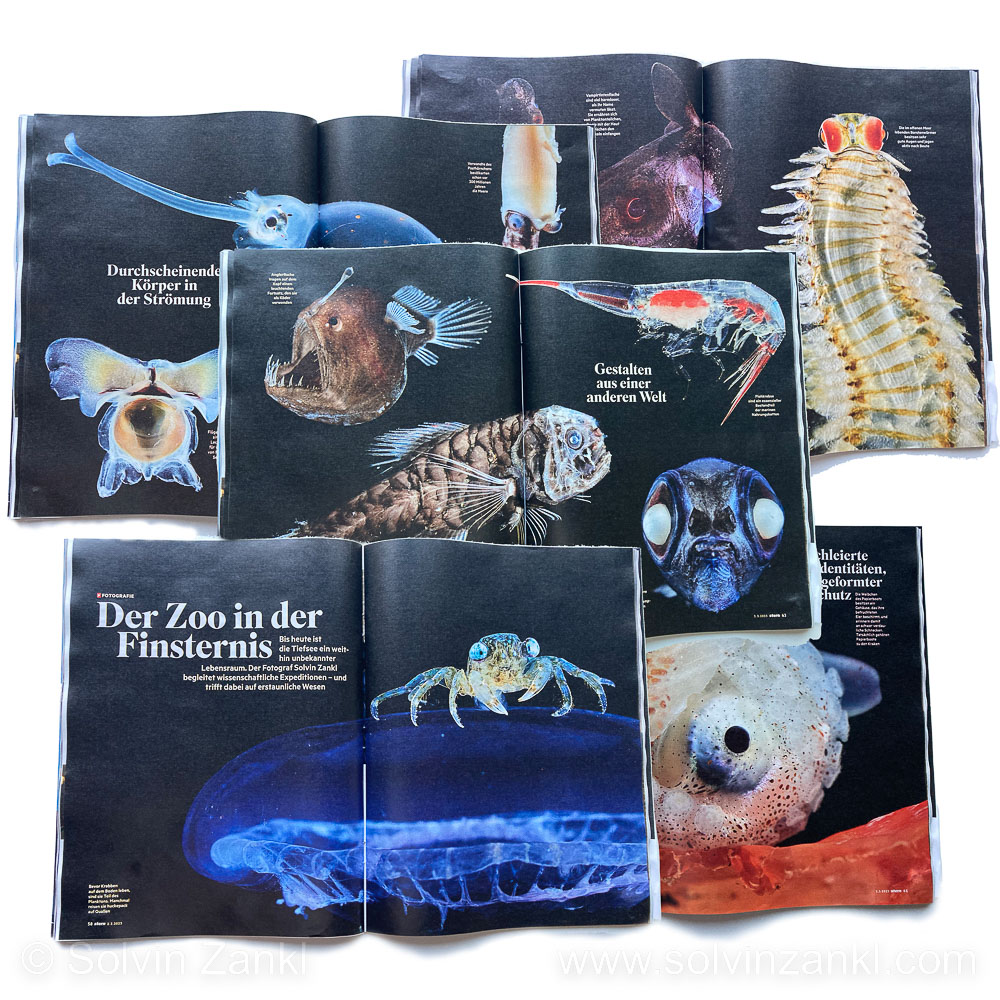
You can find the full story and all my photos in the current issue of GEO (04/2026).